
Article: How to Care for Designer Shoes: 9 Essential Steps
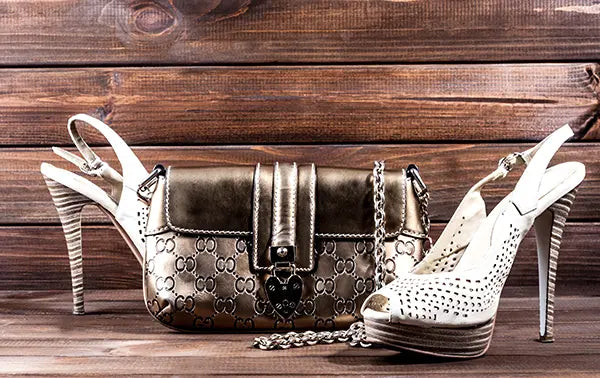
How to Care for Designer Shoes: 9 Essential Steps
Designer shoes can last for many years when they are worn, cleaned and stored carefully. The right routine depends on the material: smooth leather, suede, nubuck, patent leather, fabric and exotic finishes do not respond to the same products. Always check the manufacturer’s care instructions and test any cleaner, conditioner or polish on a small, hidden area first.
This guide explains practical ways to protect designer footwear and shows when professional attention is safer than a do-it-yourself treatment.
1. Rotate your shoes between wears
Avoid wearing the same pair every day. Footwear needs time to release moisture and recover its shape. Alternating pairs reduces repeated stress on the lining, uppers, soles and heel structure.
After wearing leather shoes, remove loose surface dirt and allow them to air-dry naturally. Keep them away from radiators, hair dryers and direct heat, which can dry or distort leather.
2. Use shoe trees without forcing the fit
A properly fitted shoe tree can help maintain shape, soften creasing and support the toe area during storage. Insert it while the shoe is still slightly warm from wear, but never force an oversized tree into delicate footwear.
Wooden trees may also help absorb moisture. Plastic or foam shapers mainly provide shape support and can be useful for travel. Compare our shoe trees and shapers and check the sizing information on each product page.
3. Clean according to the material
Start with the gentlest appropriate method. Remove dust from smooth leather with a soft brush or cloth before applying any wet product. Suede and nubuck normally require dedicated brushes and cleaners; regular leather cream can darken or flatten their texture. Patent, metallic and coated finishes can also require specialized care.
Browse shoe cleaners or read our shoe and leather care guides before choosing a product. If you are unsure of the finish, contact ShoeMedic before applying anything.
4. Condition smooth leather sparingly
Conditioner can help replenish oils in suitable smooth leather, but more is not always better. Heavy or repeated applications can change colour, soften structure or leave residue. Apply a small amount evenly, allow it to absorb and buff away excess product.
Review our leather conditioners and balms and follow the directions and material restrictions on the product page.
5. Polish only where appropriate
Cream polish can refresh colour and provide a soft shine on compatible smooth leather. Wax polish is normally used in thin layers, especially on firmer toe and heel areas. Thick wax on flex points can crack or build up unevenly.
Choose the closest suitable colour, or use neutral when appropriate, and test first. Shop shoe polish and creams for compatible products.
6. Protect footwear before bad weather
Water, road salt and slush can damage leather and leave difficult stains. Apply a protector that is specifically suitable for the shoe’s material, following the manufacturer’s directions and testing first. Reapplication may be needed, but no protector makes footwear waterproof or eliminates the need for prompt cleaning.
If shoes become wet, blot excess moisture, support their shape and let them dry slowly at room temperature. Do not place them beside a heater.
7. Inspect soles and heel tips regularly
Small wear problems are usually easier to address before they affect the structure of the shoe. Check heel tips, sole edges, stitching, toe wear and areas where the upper is separating from the sole.
Do not continue walking on an exposed heel pin or a badly worn heel block. Uneven wear can damage components that are more involved to repair. See our shoe repair services for common repair options.
8. Be cautious with designer red soles
Designer red soles show wear quickly. Colour touch-ups alone do not provide the same protection as a professionally installed sole protector. The correct approach depends on the shoe, its condition and the owner’s appearance preferences.
Avoid aggressive sanding, household paint or untested dyes. ShoeMedic can assess whether protective soles, colour work or another repair is appropriate.
9. Know when to stop DIY treatment
Professional assessment is the safer choice for deep stains, colour loss, cracked leather, loose heels, structural damage, torn linings, failed adhesive or valuable shoes with an unfamiliar finish. Applying multiple products can set stains or make later restoration more difficult.
Bring the shoes to our Oakville shop, or request a repair assessment with photographs. Customers elsewhere in Canada can use our mail-in repair service, but should wait for ShoeMedic’s written shipping instructions before sending an item.
A simple care routine
- Brush or wipe away surface dirt after wearing.
- Let shoes dry naturally and rotate pairs.
- Use correctly sized shoe trees where appropriate.
- Clean, condition and polish only with material-compatible products.
- Inspect soles, heel tips and stitching before damage becomes severe.
- Ask for professional advice before treating high-value or unfamiliar materials.
For more product guidance, repair information and material-specific advice, visit the ShoeMedic guide library.

